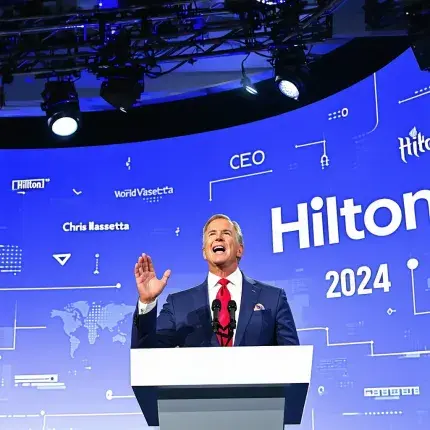
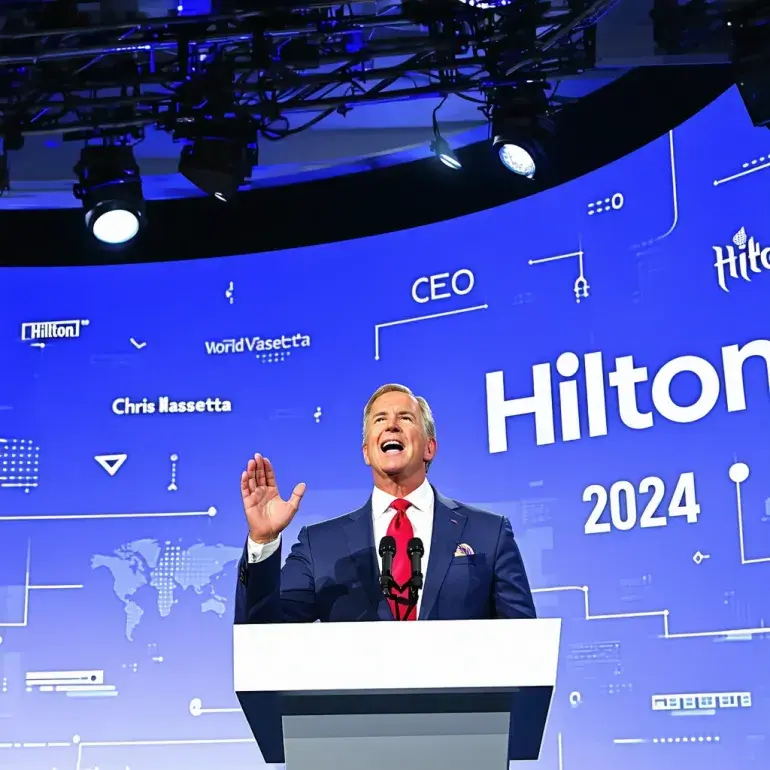
In a recent statement, Hilton Worldwide CEO Chris Nassetta revealed plans to introduce additional brands this year, underscoring the company's strategy to dominate diverse segments of the global hospitality market. This move comes amid surging travel demand and positions Hilton to capture more market share in an industry rebounding strongly post-pandemic.
Core Details of Hilton's Brand Expansion
Hilton, already home to a robust portfolio of established names, aims to bolster its offerings with fresh brands tailored to emerging traveler preferences. Nassetta's announcement highlights a focus on underserved niches like lifestyle hotels and extended-stay options, building on recent successes such as the LXR luxury collection and Spark lifestyle brand.
- Current portfolio: Over 24 brands spanning luxury (Waldorf Astoria), upscale (Hilton Honors), midscale (Hampton), and economy segments.
- New additions target millennials and Gen Z with experiential, wellness-focused properties.
- Timeline: Rollouts planned throughout 2024, with partnerships and acquisitions accelerating development.
Industry Context Driving the Strategy
The hospitality sector has seen explosive growth, with global hotel pipeline surpassing 25 million rooms as of 2023, according to industry trackers. Hilton's move responds to fierce competition from Marriott (31 brands) and IHG, while capitalizing on revenue per available room (RevPAR) climbing 8-10% year-over-year in key markets. Post-COVID shifts toward domestic leisure and business travel hybrid models have widened opportunities for brand diversification, allowing chains to retain loyalty through Hilton Honors' 170 million members.
Implications for Travelers, Investors, and the Sector
For travelers, more Hilton brands mean heightened choice—from eco-conscious stays to urban micro-hotels—potentially lowering prices through scale while elevating personalized experiences via AI-driven loyalty perks. Investors stand to benefit from Hilton's projected 5-7% net unit growth, fueling stock resilience amid economic uncertainties. Broader trends like sustainable tourism and digital nomadism amplify this: new brands could integrate green certifications and remote-work amenities, aligning with 70% of consumers prioritizing eco-friendly options in surveys. Risks include overexpansion diluting brand equity, but Hilton's track record suggests measured, profitable scaling.