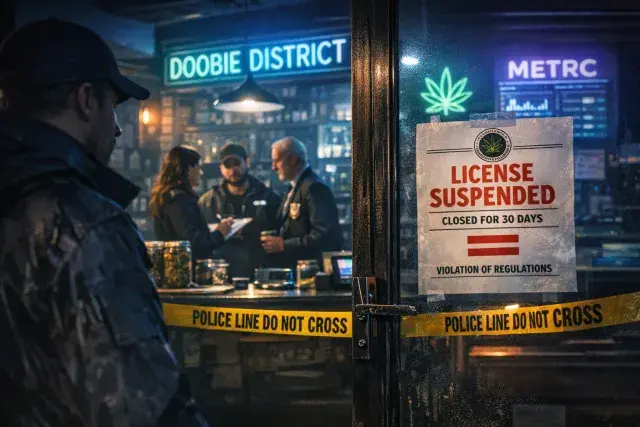
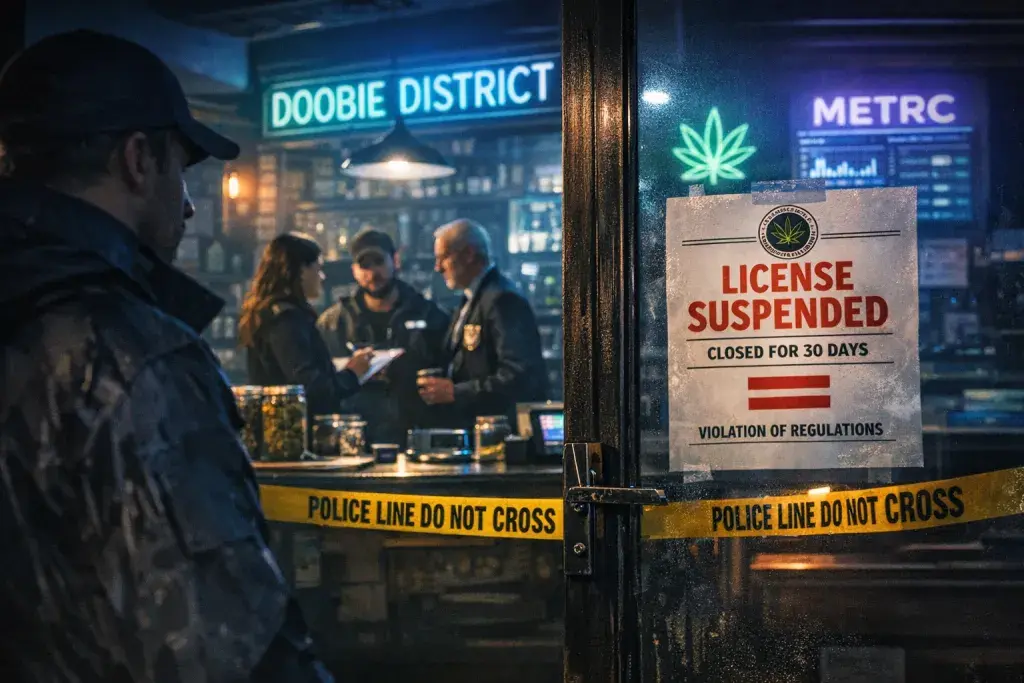
The District of Columbia Alcoholic Beverage and Cannabis Board has suspended the medical cannabis retailer license of KLM, LLC, operating as Doobie District on U Street, for 30 days. The penalty follows findings that the shop sold medical cannabis to unqualified buyers and falsified records in the mandatory METRC tracking system. This action underscores the strict oversight required to protect the integrity of DC's medical cannabis program amid growing recreational markets.
Undercover Buys Expose Verification Failures
An ABCA investigation began on May 9, 2025, after tips that Doobie District at 1526 U Street NW sold medical cannabis without checking credentials. Undercover agents made two controlled purchases of confirmed medical product from a licensed cultivator. Staff completed the sales without requesting medical cards or caregiver proof, a direct breach of regulations designed to limit access to registered patients.
METRC Manipulation Reveals Systemic Issues
Package labels bore the name and patient ID of a Doobie District employee, not the buyers. Analysis showed this employee's METRC account exceeded the District's 8-ounce limit per patient over 30 days. Investigators identified two other patient accounts oversold using the same credentials, violating 22-C DCMR § 5615.3, which demands truthful, real-time entries in the seed-to-sale system.
The Board upheld charges under § 5709.5 for dispensing to non-qualified individuals, correcting an earlier citation error from rulemaking changes. Doobie District stipulated to the facts but contested the penalty severity.
Remedies Fall Short of Avoiding Penalty
Owner Peter Murillo testified at the show cause hearing about an internal probe that led to firing implicated staff and retraining others. He introduced personal oversight of weekly sales and purchase volumes to curb overselling. The Board acknowledged these steps in Order No. 2026-211, issued February 11, 2026, but held ownership accountable for supervision lapses.
Revocation was weighed but rejected, given possible lack of direct owner knowledge. The 30-day suspension stands, plus a mandate for ABCA-approved training within 60 days. Noncompliance risks reinstating the suspension.
Implications for DC's Regulated Cannabis Landscape
DC's medical cannabis rules, in place since 2011, prioritize patient safety through verification and tracking to prevent diversion. Violations like these erode trust in a program paralleling the District's adult-use market, legalized in 2014 but fully rolled out later. Such enforcement signals zero tolerance for negligence, potentially deterring similar practices while pressuring retailers to invest in robust compliance amid competitive pressures.