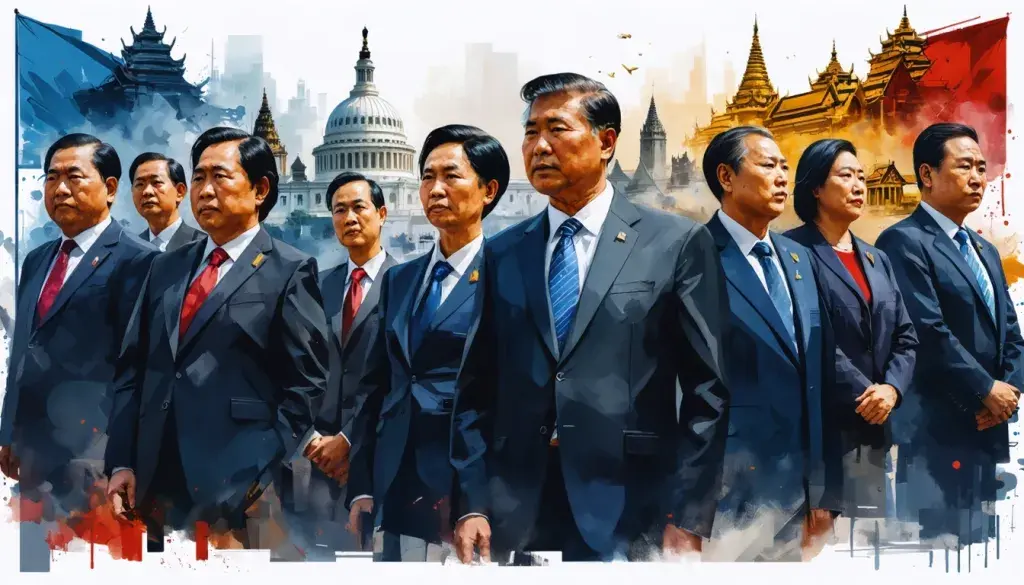
Myanmar's pro-democracy shadow government, the National Unity Government, emerged after the military coup of February 1, 2021, with bold claims to represent the nation internationally. Five years later, this exile-led entity faces growing irrelevance as the junta announces plans for a civilian administration through stage-managed polls. Resistance forces have seized territory from the military, yet the National Unity Government commands limited sway over these battlefield gains or global responses to the crackdown that has killed at least 7,700 people.
Formation and Ambitious Vision
Politicians and civic leaders toppled by the junta quickly formed the National Unity Government to challenge military rule. They established offices in Washington and London, alongside outposts in restive Myanmar regions. Leaders raised millions, created ministries, and pledged an army uniting ethnic groups and rebels, positioning the body as Myanmar's sole legitimate voice abroad.
Shortfalls in Influence and Control
Despite these efforts, the National Unity Government has secured few breakthroughs. International powers remain apathetic to the junta's violence, and the group exerts incomplete authority over local rebels and ethnic armies. These fighters have captured significant ground from the military, which still dominates cities and roughly half the country's territory, underscoring the shadow government's disconnect from on-the-ground momentum.
Junta's Electoral Maneuver
Senior General Min Aung Hlaing, the coup leader, declared last year that elections would install a civilian government. Most opposition figures from the ousted administration sit in jail, face political bans, or hide from arrest. This setup ensures the vote serves military interests, further marginalizing the National Unity Government.
Critiques from Within Myanmar
U Kyee Myint, an 80-year-old human rights lawyer, describes the shadow government as operating like a civil society organization rather than a revolutionary force. "They are disconnected from what the people actually want," he said. As the junta entrenches power through polls, the National Unity Government's exile structure hampers its ability to shape Myanmar's fractured path forward.