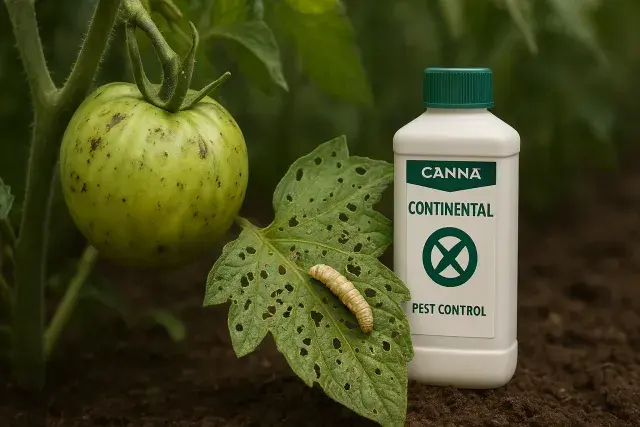
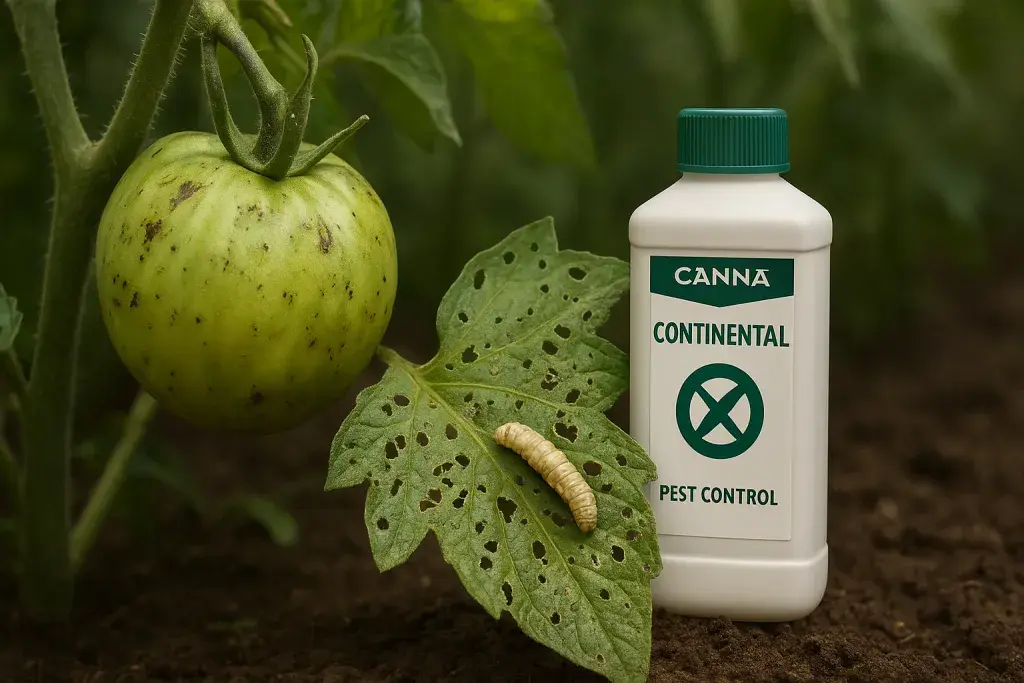
CANNA, the Netherlands-based nutrient company with U.S. operations in Arcadia, Calif., has launched CANNA Control, its first integrated pest management product for the American market. The foliar spray targets aphids, mites, botrytis and powdery mildew using thyme oil as its primary active ingredient, and it became available through U.S. retailers this summer. For cultivators, the release lands at a moment when pest and pathogen pressure remains one of the least predictable line items on any grow's balance sheet - a single botrytis outbreak can wipe out a harvest room in days, not weeks.
That unpredictability is worth sitting with for a moment. Crop loss from pests or mold doesn't just erase yield; it ripples through inventory forecasting, wholesale commitments, and the compliance paperwork tied to batch tracking. A cultivator who loses a room mid-flower still has to account for that biomass in seed-to-sale systems like METRC, reconcile it against projected output, and explain the gap to buyers waiting on a delivery manifest. Operators managing multiple facilities increasingly lean on integrated software - inventory platforms, environmental controls, and even the same POS system for dispensaries that tracks retail sales downstream - to catch irregularities before they become write-offs. A pest incursion caught late is a compliance headache and a revenue problem at once.
Where Thyme Oil Fits in Cultivation Compliance
Thyme oil sits in a category cultivators actually welcome from a regulatory standpoint: it's biodegradable, works on contact, and doesn't carry the residual concerns that trip up lab testing on the back end. Products flagged for pesticide residue during COA testing don't just get rejected - they can trigger recalls, damage a cultivator's standing with retail buyers, and in some states draw regulatory scrutiny that follows a license for years. A grower who can document use of a lower-risk input has an easier conversation with state testing labs and with dispensary buyers who are, fair enough, increasingly picky about what shows up on a certificate of analysis.
CANNA Control's label covers greenhouse crops, nurseries, vineyards, hops and agricultural hemp alongside cannabis, which reflects a broader trend: manufacturers building products that satisfy multiple regulatory regimes at once rather than cannabis-only formulations that face narrower approval paths state by state.
What This Means for Growers and Buyers Down the Chain
None of this is a guarantee against crop failure - no spray is. Pest management still depends on ventilation, humidity control and the unglamorous discipline of daily plant checks that CANNA's own horticulturist points to as the real first line of defense. What a product like this offers is another tool in a toolkit, applied early, before an infestation forces a grower into the harder conversations: telling a dispensary buyer a wholesale order won't ship on time, or explaining a yield shortfall to investors who don't much care about the biology, only the numbers.