Cannabis regulators are no longer satisfied with a staffer eyeballing a driver's license and waving a customer through. The new standard is documentation: every transaction tied to a verified identity, logged, and ready for inspection. Dispensary ID scanning has moved from a nice-to-have to something close to table stakes, and operators who haven't adjusted their point-of-sale workflows are going to feel it during their next audit.
How the Verification Loop Actually Works
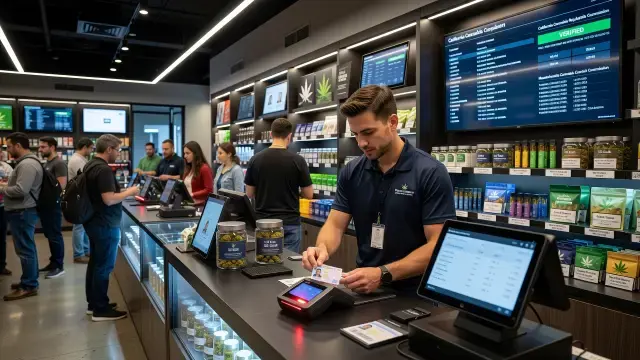
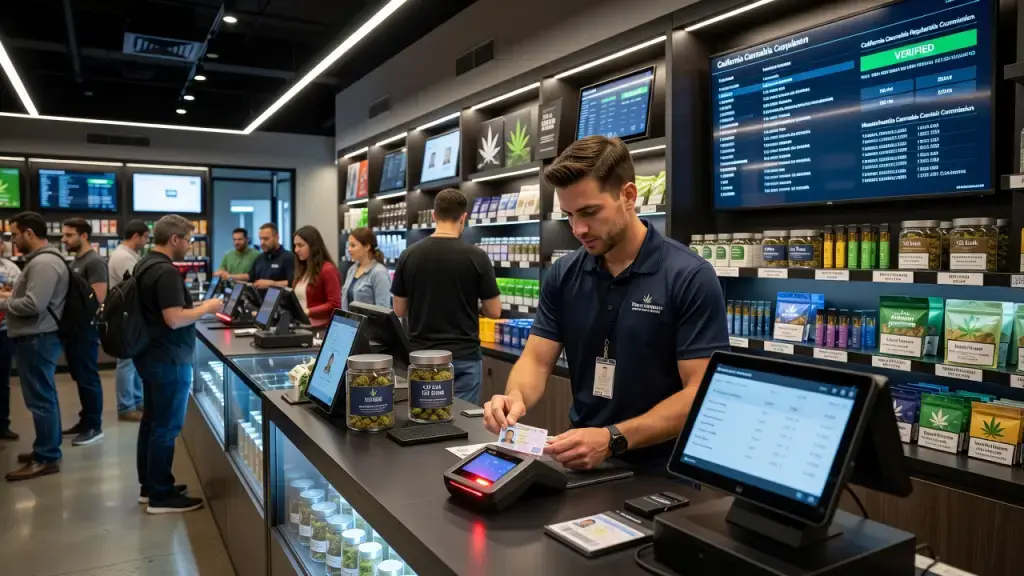
The mechanics are unglamorous but effective. A scanner reads the barcode or magnetic stripe on a government-issued ID, pulls the name, birthdate, and license number, and checks that data against the state's seed-to-sale tracking system. Match confirmed, sale proceeds. Flag triggered - a restriction, a mismatch, a duplicate purchase pattern - and the system can halt the transaction or ping a manager before product leaves the budroom. That real-time gatekeeping is the whole point. It shifts compliance from a judgment call made at the counter to a documented, repeatable process that doesn't depend on how alert a budtender is on a Friday night.
What This Means for Checkout, Inventory, and the Books
Here's the catch that makes this worth paying attention to beyond compliance: ID scanning touches more than the front counter. Checkout speed improves because staff aren't manually confirming age and residency through conversation - a single swipe does it, which matters most during peak-hour rushes when queues otherwise back up toward the door. On the back end, each scan logs a license number that reconciles against inventory in near real-time, which helps managers catch discrepancies before they harden into compliance violations. That audit trail becomes the evidence operators hand over during state inspections - a clear chain of custody from wholesale intake to retail sale, which is exactly what agencies like California's Cannabis Regulatory Commission and the Massachusetts Cannabis Control Commission are asking for in their published guidance on verification standards.
The Cost Side Nobody Loves Talking About
None of this is free. Reliable scanners run several hundred dollars per unit, and tying them into an existing seed-to-sale platform often means a software license, API work, or both. Staff training has to cover more than button-pushing - employees need a calm, non-confrontational way to handle refusals and ID mismatches, because an awkward denial at the counter is still a customer-service moment. Add firmware updates and the occasional hardware swap, and the total cost of ownership creeps well past the sticker price of the device itself.
Scale Changes the Calculus
Boutique dispensaries and regional chains experience this rollout very differently. A small, curated shop may view scanning as friction that undercuts the experience it's trying to sell, and the equipment cost can strain a tight budget - some owners stick with manual checks and spot audits instead. Large chain operators, by contrast, run networked scanners across every register, feed the data into a central compliance dashboard, and staff a team specifically to monitor alerts. The upfront investment is easier to absorb at scale, and the resulting data supports sharper inventory forecasting across multiple stores.
- Privacy exposure: retailers now hold sensitive identifiers and must secure them under state privacy statutes, often via encrypted storage or third-party compliance platforms
- Delivery complications: handoff verification requires mobile scanning apps and reliable connectivity, which isn't guaranteed in every service area
- Emerging friction: biometric and facial-recognition pilots are drawing scrutiny from privacy advocates, and cannabis's federal status leaves open questions about how ID data could be accessed beyond state systems
None of this makes the technology risk-free or the regulatory picture settled. Colorado's Department of Revenue has another update to its ID verification standards expected in March 2025, and whatever direction it takes will likely ripple into how other states write their own rules. For operators, the practical move is staying ahead of the update rather than reacting to it after the fact.