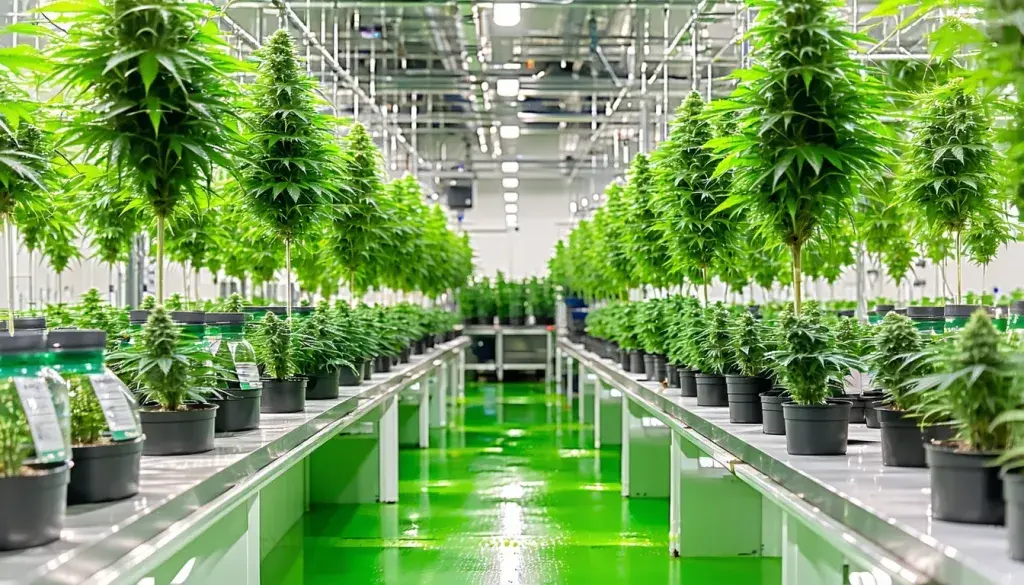
Michigan Marijuana Tours has launched a structured cannabis tourism operation that takes consumers inside licensed cultivation and processing facilities across the state - a format that has no direct precedent in Michigan's adult-use market. Founded by Charlena Berry, whose background spans cannabis licensing, retail, and operations, the company departs from select Michigan locations including Battle Creek and Ann Arbor and transports guests directly into active, compliant grow environments. It's a business model borrowed from the alcohol hospitality sector, applied for the first time at real scale within Michigan's regulated cannabis supply chain.
What the Tours Actually Offer - and Why That's Operationally Significant
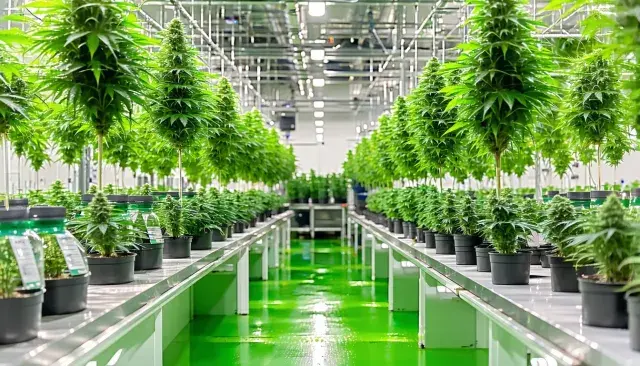
The flagship experience, called the Growing Pains Cultivation Experience, gives guests guided access to working cultivation environments. That means real HVAC-controlled grow rooms, live plant canopies, post-harvest processing workflows, and direct engagement with licensed operators and cultivation staff. Each tour includes round-trip transportation, structured educational programming, and compliant facility access - not a retail dispensary visit, but the upstream end of the supply chain that most consumers never see.
That distinction matters. Dispensaries invest heavily in consumer-facing retail design - budroom layout, digital menus, POS-integrated loyalty programs - but the cultivators and processors supplying that inventory have historically operated entirely off the public radar. Compliance requirements around licensed premises access, visitor documentation, and seed-to-sale tracking under Michigan's METRC system mean that opening a facility to outside guests isn't as simple as unlocking a door. Any operator partnering with Michigan Marijuana Tours would need to ensure that guest visits fall within the facility's license parameters and that security and access protocols remain fully intact. Berry's background in licensing and operations suggests that compliance architecture is already part of the design - but it's worth watching how the regulatory framework around facility tours develops as the model scales.
The Winery Comparison Has Business Logic Behind It
Berry has made the winery and distillery analogy central to her company's positioning, and fair enough - it holds up. The agritourism sector built around alcohol hospitality generates real economic activity: tasting room revenue, direct-to-consumer brand relationships, hospitality partnerships, and regional tourism spend. Cannabis has been largely excluded from that conversation, not because the product lacks consumer curiosity, but because the regulatory environment has kept licensed operations behind closed doors.
Michigan's cannabis market is among the most active adult-use markets in the country, drawing both in-state consumers and out-of-state visitors. The infrastructure for consumption tourism - hotels, transportation, events, brand activations - hasn't fully formed yet, but the consumer demand side is clearly moving. Michigan Marijuana Tours is positioning itself early in what may become a distinct experiential category, with announced cultivation partnerships including Growing Pains and Hytek, and plans to expand tour offerings and facility collaborations throughout 2026.
For cannabis brands and cultivators, the B2B angle here is worth considering. Consumer-facing cultivation access is, in effect, a marketing channel - one that builds brand familiarity, product understanding, and supply chain transparency in ways that a retail shelf or a digital ad cannot. In a market where wholesale pricing pressure is real and shelf differentiation is difficult, direct consumer relationships built through experiential access carry genuine commercial value.
Education as Infrastructure - Not Just Messaging
The thing is, cannabis consumer education has been a stated priority across the legal industry since the beginning of adult-use legalization - but in practice, it has mostly meant signage in dispensaries and product packaging disclaimers. What Berry is describing is something structurally different: guests who leave a cultivation tour with firsthand knowledge of genetics, environmental controls, compliance documentation, and operational scale are not the same consumers who walked into their first dispensary unsure what a COA was.
That consumer knowledge gap has real industry implications. Operators have long noted that consumers who understand how licensed cannabis is tested, handled, and tracked are more likely to distinguish between licensed retail and the illicit market - and more likely to make informed purchasing decisions. Education delivered through direct experience is harder to replicate than a point-of-sale brochure. That's the underlying value proposition Michigan Marijuana Tours is building on, and it aligns with a broader industry need that compliance frameworks alone can't address.
Additional programming planned for 2026 includes processing facility access, educational events, seasonal experiences, and collaborative brand activations. For hospitality groups, transportation providers, and cannabis brands with experiential marketing goals, the company is actively seeking partnership structures. Whether the model expands into a recognized tourism category - the way brewery trails and wine country itineraries have - depends on how consistently the operational and regulatory execution holds up. But the category is real, the consumer interest is documented, and Michigan has both the licensed infrastructure and the visitor base to support it.