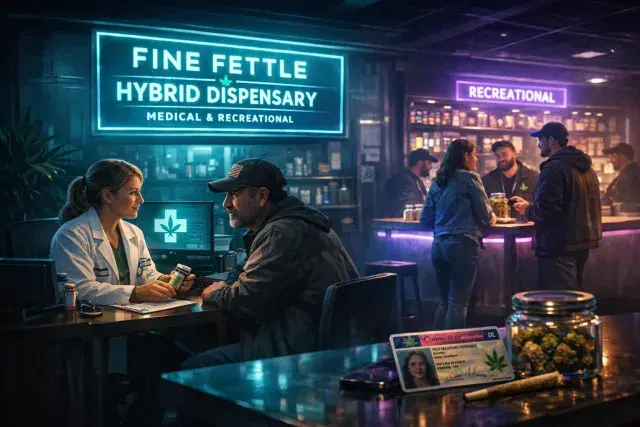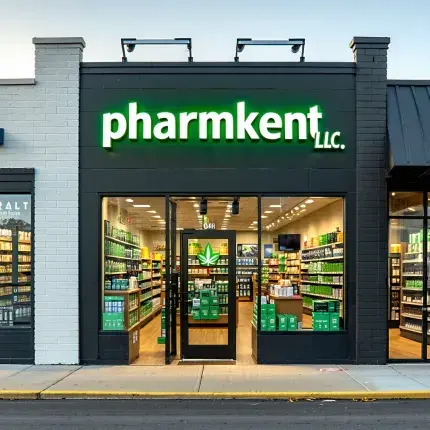

In Elkton, Maryland, PharmKent LLC has launched as the first of two medical marijuana dispensaries in Cecil County, with Nature’s Care and Wellness in Perryville set to follow soon. This development marks a key step in the state's cautious expansion of medical cannabis access, offering hope to patients with qualifying conditions while navigating strict regulations.
Key Developments in Cecil County
PharmKent, at 330 E. Pulaski Highway in Elkton, holds a preliminary license and is now accepting applications from patients with conditions like chronic pain, epilepsy, or multiple sclerosis. Managing member Peter Murphy anticipates product sales by late December or early January. Meanwhile, Nature’s Care and Wellness at 4925 Pulaski Highway in Perryville expects its license imminently, planning a January 15 opening after starting patient registrations via phone on January 2.
- Patients need a state-issued certificate to purchase medical marijuana.
- Both dispensaries emphasize compliance with Maryland's rigorous licensing process.
- This rollout reflects a deliberate pace to ensure safety and quality control.
Background on Maryland's Medical Cannabis Program
Maryland legalized medical marijuana in 2014, but full implementation lagged due to federal restrictions and state oversight needs. Today, over 100,000 patients are registered statewide, with dispensaries growing from a handful to dozens. Cecil County's entry aligns with broader access, driven by evidence from studies showing cannabis reduces opioid use by up to 25% in chronic pain patients and eases chemotherapy-induced nausea.
Health Implications and Broader Trends
For public health, these openings signal a shift toward evidence-based alternatives to traditional pharmaceuticals. Conditions qualifying for medical marijuana—such as PTSD, glaucoma, and HIV/AIDS—benefit from cannabinoids' anti-inflammatory and neuroprotective properties, as supported by National Academies of Sciences reviews. Yet, implications include monitoring for misuse; states like Colorado report low diversion rates under regulated systems.
- Potential to lower healthcare costs by decreasing emergency visits for pain management.
- Cultural acceptance rising, with 91% of Americans now supporting medical cannabis per recent polls.
- Safety focus: Dispensaries provide lab-tested products, minimizing contaminants.
Future Outlook for Access and Regulation
As Maryland's program matures, expect more dispensaries and home cultivation options by 2025. This measured rollout prioritizes patient safety over rapid expansion, contrasting faster recreational markets elsewhere. For Cecil County residents, it means localized relief, potentially easing rural healthcare burdens amid national trends toward cannabis normalization in medicine.