The summer solstice arrives with more than just longer days. For licensed cannabis retailers and their supply chain partners, the seasonal shift to peak solar intensity brings real operational pressure - heat-sensitive inventory, climate-controlled storage requirements, and compliance obligations that don't pause because the thermometer climbs. In a region like Hermosillo, Sonora, where researchers at the Universidad de Sonora confirm that the 2025 solstice delivers roughly 14 hours of daylight and sunrise temperatures that climb fast, the logistics math gets uncomfortable quickly.
The thing is, most cannabis retail compliance frameworks were written with product integrity in mind - and temperature is a silent variable inside every one of them. Terpene degradation, changes in cannabinoid stability, and packaging integrity under sustained heat are not hypothetical risks; they show up in failed batch audits and customer returns. Operators running robust point-of-sale systems know this pressure well: inventory tracked through platforms purpose-built for regulated markets - the same category that covers tools like cannabis pos maine solutions designed for state-licensed environments - flag product batch data that becomes materially important when a summer heat event compromises a delivery run or a back-room storage unit.
What Peak Sun Hours Mean for Product Integrity and Compliance Logs
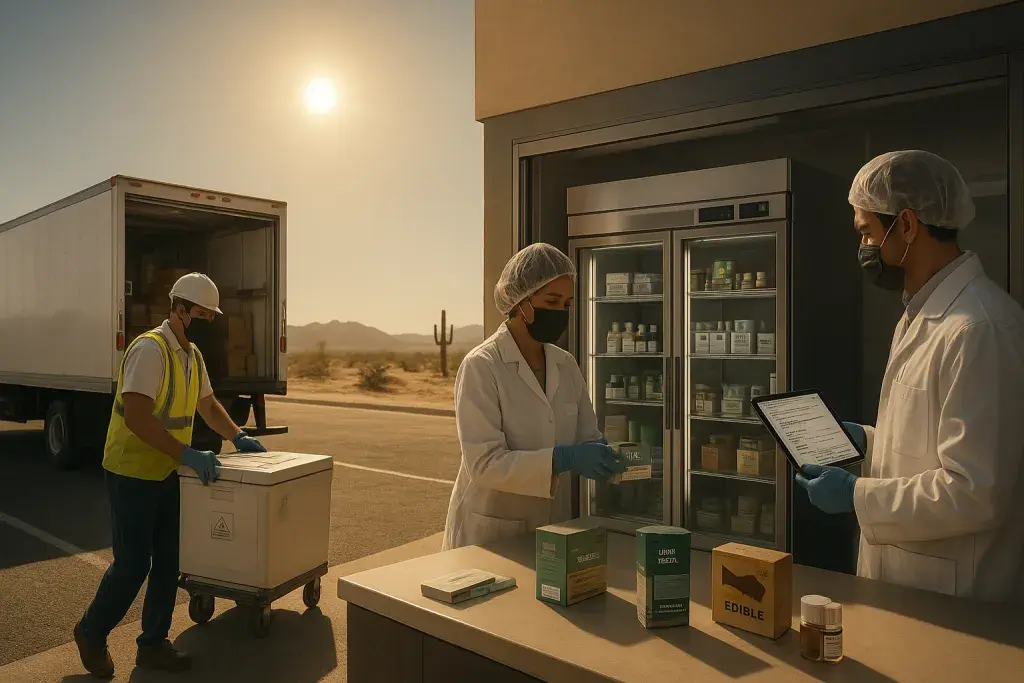
Extended solar exposure isn't an abstract meteorological note. Julio César Saucedo Morales, a researcher in the Department of Physics Research at the Universidad de Sonora, explains that during summer the sun reaches its greatest elevation, driving more direct solar energy into any surface it hits. For a dispensary receiving a wholesale delivery at 2 p.m. in a high-desert climate, that means product moving from a refrigerated vehicle into ambient air at its hottest point of the day. Compliant packaging is required by virtually every adult-use and medical cannabis regulatory framework - but packaging specifications are tested under controlled lab conditions, not Sonoran summer afternoons.
Operators who treat their chain-of-custody documentation as a living compliance asset rather than a formality have an advantage here. If a product batch arrives showing signs of heat stress - oil separation in distillate cartridges, terpene bloom in flower packaging, label adhesion failure - the delivery manifest and intake log become the operator's defense in a regulatory inspection. Inventory shrinkage tied to heat damage is a real cost line. It doesn't show up on a COA, but it shows up on the P&L.
Seasonal Demand Shifts and Inventory Planning Pressure
Longer days also drive behavioral shifts that dispensary floor managers track closely. Consumer traffic patterns change in summer - peak foot traffic can shift earlier in the day or compress into evening hours once outdoor temperatures drop. That sounds tidy on paper, but for a store manager managing budroom inventory across thirty or forty active SKUs, a demand pattern shift mid-season creates real purchasing pressure at the wholesale level.
Buyers need to adjust order volumes, delivery windows, and storage allocation before the season is fully established - not after. Cold storage capacity, if the facility has it, gets prioritized. Products with known heat sensitivity - live resin, certain edibles with chocolate or gelatin bases, full-spectrum tinctures - move to controlled environments first. Everything else gets managed against the daily solar schedule. Wholesale pricing negotiations, here, start to include logistics terms that weren't always on the table: timed delivery windows, temperature-controlled transport requirements, and liability language for heat damage in transit.
The Regulatory Layer Nobody Enjoys Discussing
State cannabis regulatory bodies have generally not written explicit temperature standards into their retail compliance codes the way food safety frameworks have. That gap is not an operator's friend. When a product fails a post-sale consumer complaint review and heat damage is the probable cause, the absence of a clear regulatory standard doesn't protect the licensee - it just means the investigation is murkier and more expensive. Responsible retailers fill that gap themselves, with internal SOPs that document storage conditions, delivery intake procedures, and batch disposition decisions.
To put it plainly: the solstice is an astronomical event with a fixed date. The compliance exposure it creates for cannabis operators is not. Longer days mean more hours of peak solar load, more delivery runs through the hottest part of the day, and more inventory sitting in conditions that regulators haven't fully specified but will certainly scrutinize if something goes wrong. The operators who treat seasonal environmental change as an operational variable - not an act of nature they can't influence - are the ones who don't find themselves explaining spoiled product to a licensing board in September.