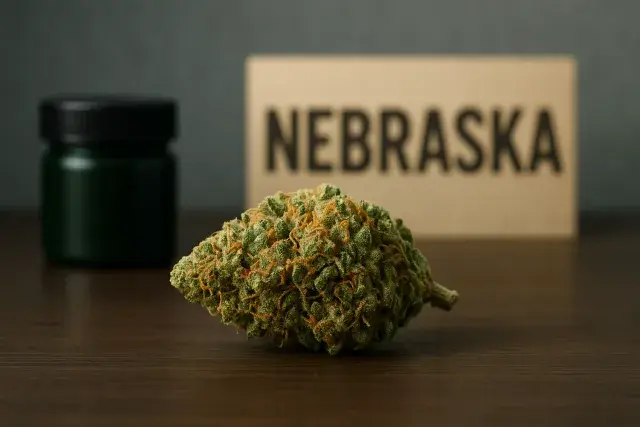
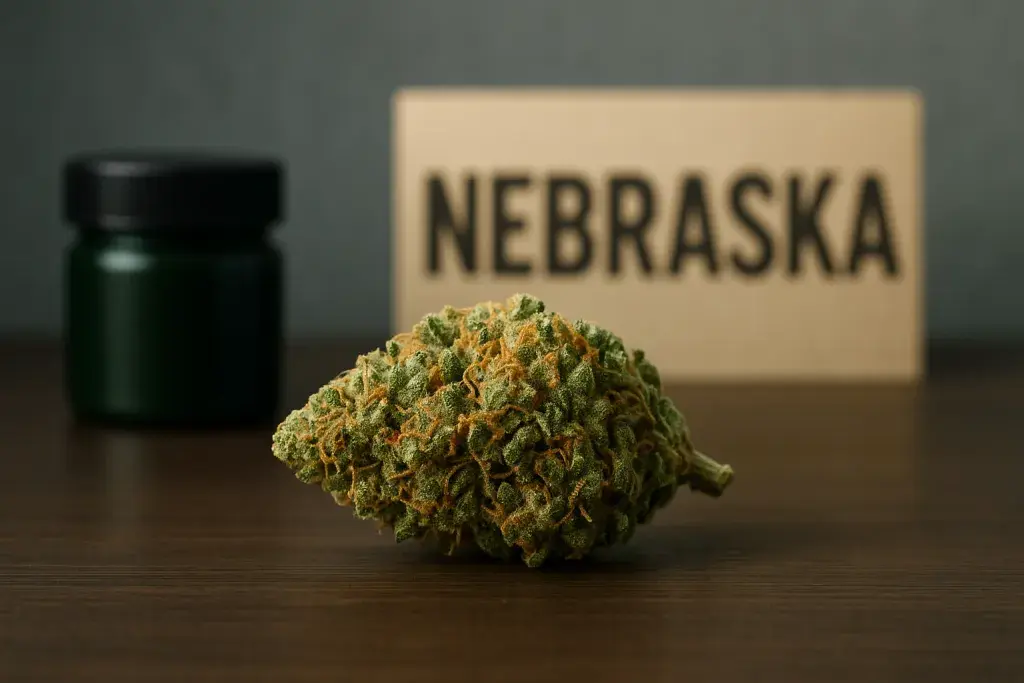
Nebraska voters approved limited medical cannabis in November 2024, but nearly two years later, there's still no state-licensed dispensary operating anywhere in the state, including Omaha. The Nebraska Medical Cannabis Commission is still building the regulated framework that would eventually license retailers, and until that infrastructure is functional, qualifying patients have a legal protection with no legal supply chain to back it up. That gap between statute and store shelf is the whole story right now.
This kind of lag between a ballot measure and an operating retail sector isn't unusual, but it's instructive for anyone watching how new medical or adult-use markets get built. Standing up a compliant dispensary system requires more than a vote; it requires licensing rules, testing standards, seed-to-sale tracking infrastructure, and retail operators who can actually pass compliance review. States that move faster tend to have groundwork already in place, whether that's an existing hemp retail network, established point-of-sale infrastructure, or a licensing body with prior cannabis regulatory experience. Maryland's build-out offers a useful comparison: dispensaries there rely on established point-of-sale for Maryland dispensaries systems that integrate compliance tracking, age verification, and inventory reporting into a single point of sale, the kind of infrastructure Nebraska's regulated market will eventually need before a single legal sale can happen. point-of-sale for Maryland dispensaries
Why Cross-Border Options Don't Solve the Problem
Iowa's medical cannabidiol program and Missouri's adult-use market both sit within driving distance of Omaha, and it's tempting to treat either as a workaround. It isn't, not legally. Iowa generally requires state residency and an Iowa-issued medical card, which locks most Nebraska residents out entirely. Missouri's recreational market is open to any adult 21 or older with valid ID, including out-of-state visitors, and one of the closer dispensaries sits in Rock Port, roughly 70 to 75 driving miles from Omaha. But purchasing legally in Missouri doesn't make transport back into Nebraska legal. Federal law prohibits interstate cannabis transport outright, and Nebraska law separately criminalizes importing cannabis from another state, with no carve-out for medical use. Law enforcement patrols along I-80 and I-29 near the border aren't a rumor; the exposure is real, not theoretical.
What's Actually Legal to Buy in Omaha
Here's the catch for consumers trying to stay fully within the law: hemp-derived products with minimal THC content are the only cannabis-adjacent items currently purchasable at retail inside Nebraska, sold through smoke shops and specialty retailers around Omaha. Nebraska doesn't currently mandate state testing for hemp products specifically, which means quality and disclosed cannabinoid content can vary meaningfully between brands. Some products may carry undisclosed THC levels, a consumer-safety detail that matters more than it might seem. Without a COA or standardized lab testing requirement, buyers are relying largely on brand reputation rather than regulatory assurance, a gap that mirrors early-stage hemp markets in other states before tighter labeling rules came into effect.
Tribal Land and the Limits of Sovereignty
Some Nebraska tribes have explored cannabis programs under tribal sovereignty, but no confirmed, operational dispensary currently exists on tribal land in the state. Even if that changes, product purchased there would become subject to Nebraska state law the moment it crosses reservation boundaries. State and local police can and do patrol areas adjacent to reservations, and possession charges remain possible for anyone carrying product off tribal land. Tribal retail, should it materialize, wouldn't function as a loophole; it would operate under separate tribal law with hard edges where state jurisdiction resumes.
What to Watch Next
For dispensary operators, investors, and compliance professionals watching Nebraska from outside, the real signal will come from the Commission's licensing process, not from ballot-measure headlines. Progress on dispensary licensing, any legislative amendments affecting rollout timelines, tribal cannabis developments, and shifts in federal enforcement posture will all shape when - or whether - Nebraska residents get an actual point of retail access. Until then, the five-ounce qualified-patient allowance remains a real legal protection with nowhere in-state to exercise it, which is an unusual and uncomfortable place for a regulated market to sit.