Massachusetts voters delivered a lopsided verdict against Question 8, the ballot measure that would have shut down recreational marijuana sales statewide. With roughly 76 percent of counted votes opposed, the Associated Press called the race early Wednesday - a result that lets adult-use dispensaries keep their doors open under existing state law.
For an industry that spent a decade building out retail infrastructure, compliance systems, and supply chains, the margin matters. This wasn't a squeaker that leaves operators bracing for a recount. It was a clear signal that voters, at least in this cycle, weren't persuaded that banning adult-use sales was the right fix for the public health concerns driving the measure.
What Question 8 Actually Would Have Done
The measure went well beyond a simple prohibition. It would have repealed home-grow allowances, rewritten possession penalties based on age and quantity, and effectively forced the state's recreational dispensaries into a medical-only licensing posture. That last piece is the one operators found most alarming. Converting a retail footprint built for adult-use volume into a medical-only model isn't a minor paperwork exercise - it means re-registering patients, adjusting POS systems, revisiting SKU management for medical-specific formulations, and in many cases shrinking the customer base dramatically.
Supporters of the ban weren't wrong to flag real concerns. Products that mimic cookies or candy packaging, and the risk of accidental ingestion by children, are legitimate consumer-safety issues that regulators and compliant operators have to keep taking seriously - through child-resistant packaging requirements, lab testing, and clear labeling backed by a certificate of analysis. The defeat of Question 8 doesn't erase those concerns; it just means Massachusetts will keep addressing them through its existing regulatory framework rather than a blanket sales ban.
What's at Stake for Operators and Their Balance Sheets
The state's adult-use market has grown into a multibillion-dollar sector, with the Cannabis Control Commission reporting more than $1.65 billion in 2025 sales alone and the industry surpassing $10 billion in cumulative gross revenue. That's not an abstraction for the roughly 18,000 jobs tied to the sector, according to figures cited by industry representatives. A ban would have hit payroll, wholesale relationships, and landlord agreements all at once - dispensaries don't just lose retail revenue when adult-use sales disappear, they lose the volume that makes vertically integrated supply chains pencil out.
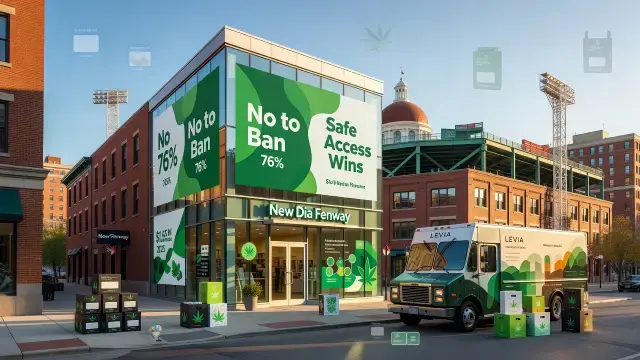
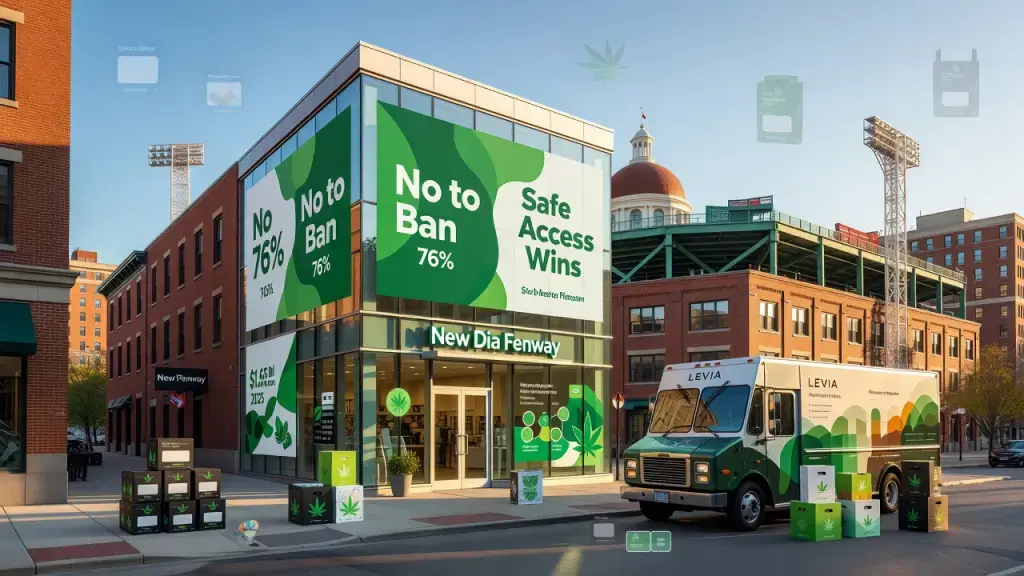
New Dia Fenway, a multi-level dispensary near Fenway Park that draws an estimated 250,000 new customers annually, campaigned actively against the measure, framing recreational access as part of a "safe access" model built on regulated testing and compliant retail practices. LEVIA, a cannabis beverage maker based in Georgetown, pointed to a more immediate concern: payroll. Losing retail sales channels would have forced the company to consider cuts among its roughly 20 employees - a reminder that ballot questions like this one ripple well past dispensary counters and into manufacturing and brand operations that depend on retail shelf space to move product.
The Bigger Picture for Regulated Retail
What's striking here is how this vote fits into a broader pattern across adult-use states: once a regulated market reaches a certain scale, rolling it back becomes politically and economically difficult, even when public health arguments have real merit. Voters increasingly seem to treat the question not as "legal or illegal" but as "regulated or unregulated" - and regulated retail, with its testing requirements, tax revenue, and compliance logs, tends to win that framing.
For operators, the lesson isn't that the pressure goes away. Packaging rules, youth-access safeguards, and advertising restrictions will keep tightening regardless of how this question landed. The defeat of Question 8 buys the industry continuity, not a pass on scrutiny.